
Caravan vs Motorhome: Which Should You Buy?
A practical comparison of cost, driving, comfort, flexibility, and running costs - from a dealer who sells both at our Cradley Heath showroom.
Caravan or motorhome?
The question we hear most often at the showroom
Choosing between a touring caravan and a motorhome is one of the biggest decisions you will make as a leisure vehicle buyer. Both will get you out on the road with all the comforts of home; but they suit different budgets, lifestyles, and ways of travelling. As main dealers for Swift and Bailey caravans and Auto-Trail motorhomes, we help customers make this decision every week.
This guide walks you through the key differences honestly, so you can work out which one fits your situation best.
What is a touring caravan?
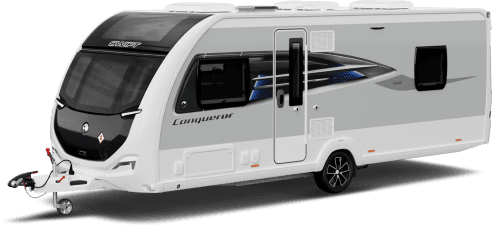
A touring caravan is a rigid-bodied, fully enclosed living space that you tow behind your car. Inside you will find fixed beds, a kitchen with hob, oven, and fridge, a washroom with shower and toilet, blown-air heating, and 240V mains hook-up capability. When you arrive at the campsite, you unhitch the caravan and drive your car independently.
We stock caravans from Swift and Bailey - the UK's two largest manufacturers. Models range from compact two-berth tourers like the Swift Sprite and Bailey Discovery through to spacious family layouts like the Swift Elegance Grande and Bailey Alicanto Grande Deluxe, sleeping up to six.
Modern caravans use advanced construction methods. Swift's SMART Plus bodyshell is completely timberless with a 10-year warranty, while Bailey's Alu-Tech system reduces external joints by 90%. Both deliver Grade III insulation for year-round touring.
1,000 - 1,600 kg
Typical weight
From ~£16k
New entry-level
What is a motorhome?
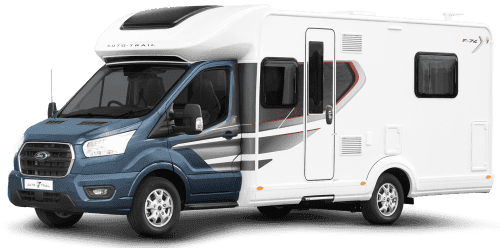
A motorhome is a self-contained vehicle that combines the engine, cab, and living space into one unit. You drive it directly; there is no towing involved. Inside you will find a similar level of comfort to a caravan - kitchen, bathroom, beds, heating - but everything is built into the vehicle itself.
Motorhomes come in several body types. Campervans (van conversions) are the most compact and can double as everyday vehicles. Low-profile motorhomes have more living space with a purpose-built rear body. Coachbuilt motorhomes add an overcab sleeping area for maximum berths.
We stock motorhomes from Auto-Trail and Bespoke Leisure. The range spans the compact Expedition 54 campervan (5.41m) through to spacious coachbuilt models like the F-Line, plus premium Ford-based Bespoke Leisure Explore campervans.
5.4 - 7.5 m
Typical length
From ~£45k
New entry-level
Cost: how do they compare?
Often the biggest factor in the decision
The price gap between caravans and motorhomes is substantial, and it is usually the first thing people notice.
| Touring Caravan | Motorhome | |
|---|---|---|
| New (entry-level) | £16,000 - £22,000 | £45,000 - £55,000 |
| New (mid-range) | £22,000 - £30,000 | £55,000 - £75,000 |
| New (premium) | £30,000 - £40,000+ | £75,000 - £95,000+ |
| Used (good condition) | £8,000 - £20,000 | £25,000 - £50,000 |
| Compact campervan (new) | n/a | £50,000 - £65,000 |
A new touring caravan typically costs between a third and half the price of a comparable motorhome. That gap makes caravans the natural choice for first-time buyers, families on a budget, or anyone who wants to try leisure vehicle ownership without a large financial commitment.
Compact campervans have narrowed this gap. Models like the Bespoke Leisure Explore start from around £50,000 and double as an everyday vehicle, which offsets some of the premium if you are replacing a second car.
Driving and towing
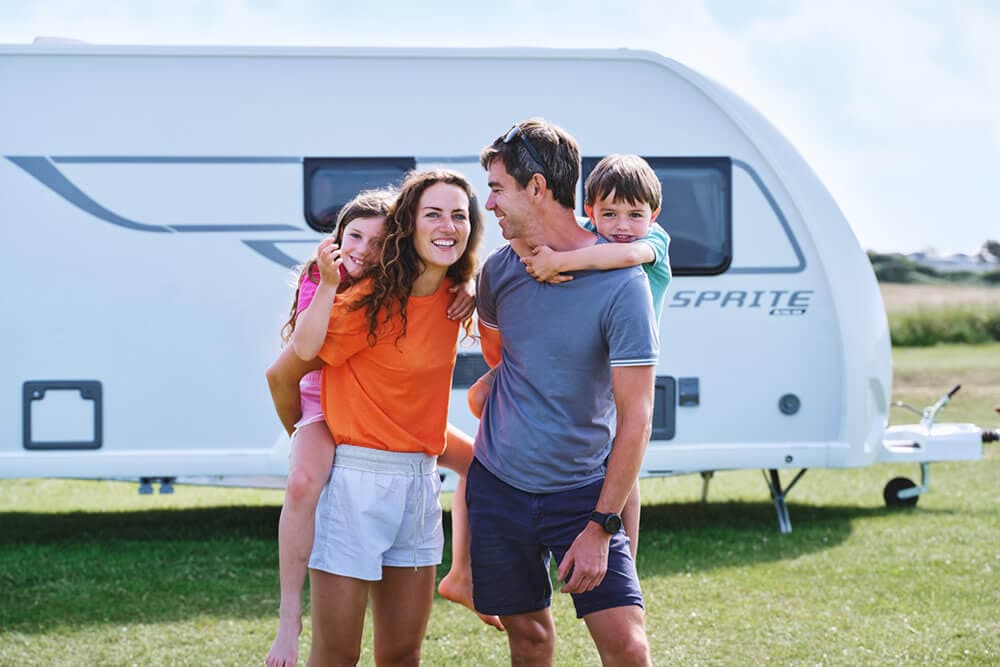 Towed behind your car
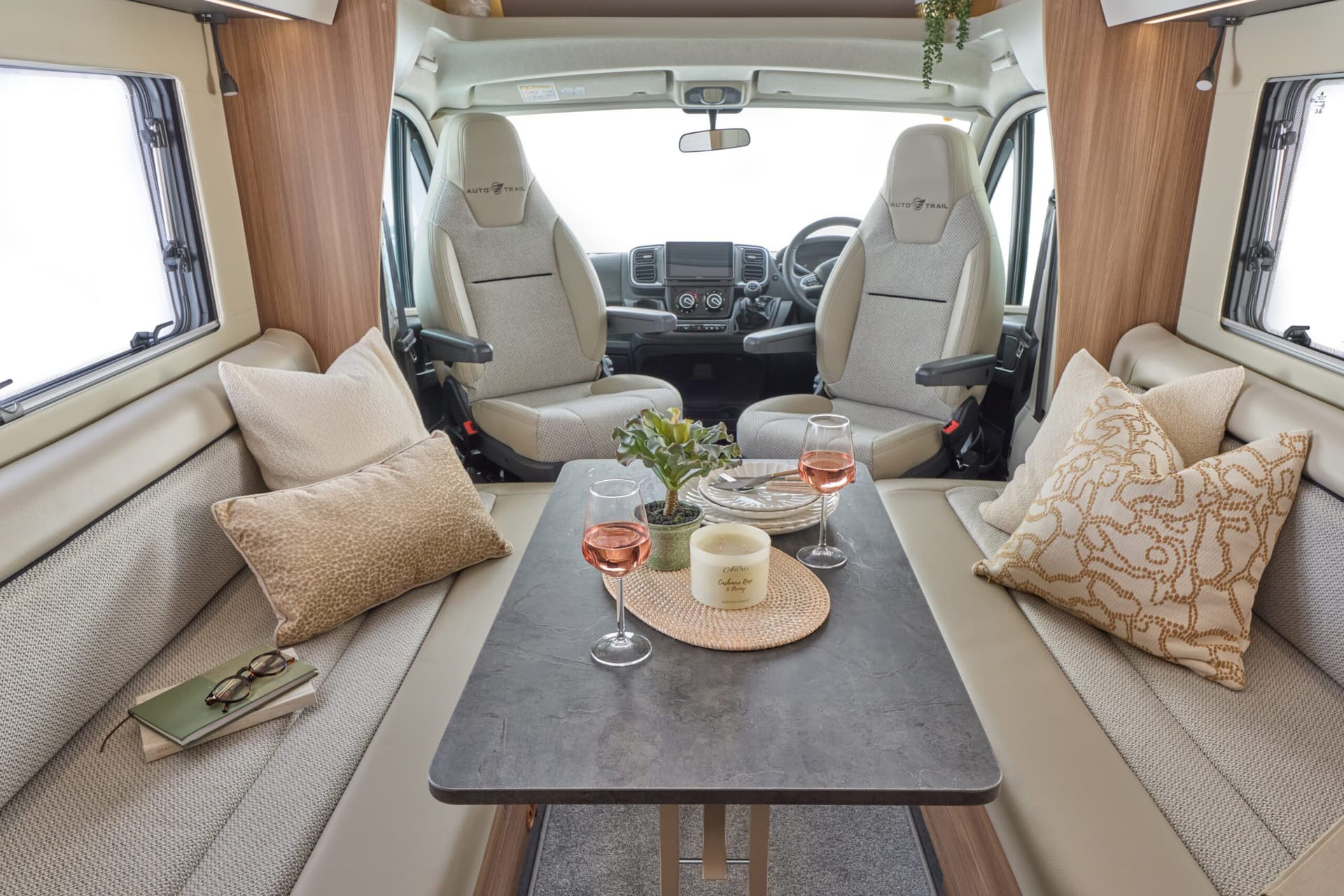 Drive it directly
This is one of the most important practical differences between the two.
A motorhome is a single vehicle. You get in, turn the key, and drive. There is no hitching, no reversing onto a tow ball, no worrying about crosswinds affecting a trailer. For many people, particularly those who are nervous about towing or who have never towed before, this simplicity is the strongest argument for a motorhome.
A caravan requires a suitable tow car. The car's kerbweight should ideally match or exceed the caravan's laden weight. You need to be comfortable hitching, unhitching, and reversing with a trailer. If you passed your car test after 1 January 1997, your licence limits you to a combined vehicle-and-trailer weight of 3,500 kg (unless you pass an additional test). See our towing information page for more detail.
On the flip side, once you unhitch a caravan at the campsite, you have your car free to explore. With a motorhome, you either take the whole vehicle or you are on foot (or bike). Some motorhome owners tow a small car behind, but that adds complexity and cost.
The bottom line: motorhomes are simpler to drive. Caravans give you a free car at the destination. Which matters more depends on how you plan to tour.
Comfort and living space
Both caravans and motorhomes offer genuine home comforts - fixed beds, full kitchens, bathrooms with hot showers, blown-air heating, and 240V mains hook-up. The differences are more about layout and how the space is used.
Caravans are purpose-built living spaces. Because they do not need to accommodate an engine, cab, or driving controls, every inch is dedicated to the living area. A mid-range four-berth caravan (around 7m long) typically offers a generous lounge, a separate bedroom area, a full end washroom, and a well-equipped kitchen. The interior feels more like a small flat than a vehicle.
Motorhomes need to balance living space with the driving compartment. Coachbuilt and low-profile motorhomes offer a similar amount of usable floor space to a caravan, but the layout is different; the cab seats often swivel to become part of the lounge. Campervans are more compact; you will have a smaller kitchen, a more limited bathroom (or none in the most compact models), and convertible bed arrangements rather than fixed beds.
One important difference: in a motorhome, you can move between the cab and the living area while parked. This means you can start making a cup of tea while your partner finishes parking. In a caravan, the living area is entirely separate from the car.
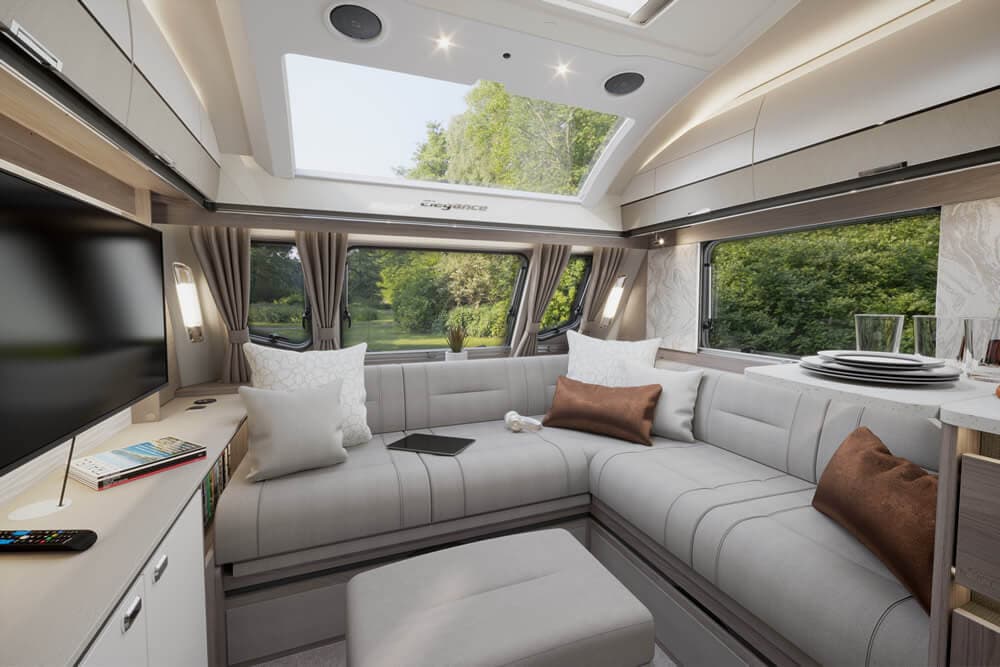
Swift Elegance Grande interior - full kitchen, lounge, and fixed bedroom
Flexibility and spontaneity
Motorhomes and caravans suit different touring styles, and this often comes down to how spontaneous you want to be.
Motorhomes excel at spontaneous travel. You can pull over at a scenic spot, stop for the night at a designated aire or motorhome stopover, and change plans at short notice. In Europe, thousands of low-cost aires and stellplatze cater specifically to motorhomes. This style of touring - moving every day or two, stopping where the mood takes you - is one of the biggest draws of motorhome ownership.
Caravans are better suited to longer stays in one place. Once you have pitched and levelled the caravan, you are settled for a few days or weeks, with your car available for day trips. Many caravan owners have a favourite site they return to regularly, or they tour between booked pitches over a longer holiday. The setup involved means you are less likely to move every day.
A caravan also gives you flexibility in another way: when you are not touring, you still have your car. A motorhome owner who uses the vehicle for holidays only has a large, depreciating asset sitting unused for most of the year.
Running costs
Beyond the purchase price, the ongoing costs differ in ways that are worth understanding before you commit.
| Touring Caravan | Motorhome | |
|---|---|---|
| Insurance | £150 - £350/year | £400 - £1,000+/year |
| Road tax | None (not required) | £190 - £320/year |
| MOT | Not required | Required annually (3+ years) |
| Annual service | £180 - £250 (habitation) | £300 - £600 (hab + mechanical) |
| Fuel when touring | Tow car fuel (moderate increase) | 20 - 30 mpg depending on size |
Caravans are cheaper to run on almost every measure. They do not need road tax, an MOT, or their own fuel. Insurance is lower, and servicing covers only the habitation side rather than a full vehicle. The main caravan-specific running cost is storage if you cannot keep it at home.
Motorhomes are more expensive to insure and maintain because they are a registered vehicle with an engine, gearbox, and all the associated mechanical components. However, if you use a compact campervan as your only vehicle, you save on the cost of running a separate car.
Storage at home
Neither caravans nor motorhomes are small, and where you keep them when not touring is a practical consideration that catches some buyers off guard.
A touring caravan is typically 5 to 8 metres long and 2.3 metres wide. Very few people have the driveway space to keep one at home, and some councils restrict parking caravans on residential streets. Off-site storage typically costs £30 to £60 per month.
A motorhome is 5.4 to 7.5 metres long and up to 2.35 metres wide, with a height of 2.6 to 3 metres. Coachbuilt models will not fit in a standard garage. Compact campervans can sometimes be parked on a driveway or residential street, but larger motorhomes usually need off-site storage too. Costs are similar to caravans; £30 to £60 per month.
The advantage of a compact campervan is that it can genuinely park on a standard driveway and serve as your everyday vehicle, avoiding storage costs entirely.
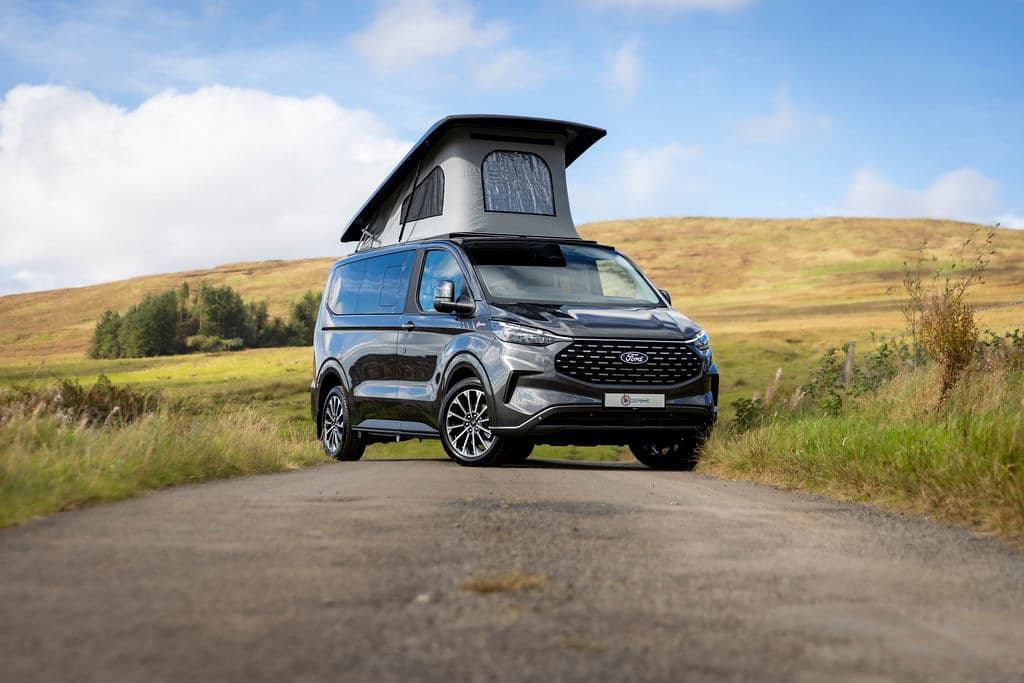
Compact campervans like the Bespoke Leisure Explore fit on a standard driveway
Which suits your lifestyle?
Rather than declaring a winner, here is a straightforward way to think about it based on how you actually plan to use the vehicle.
A touring caravan is likely better if you…
- ✓Want to keep the overall cost as low as possible
- ✓Already have a suitable tow car and are comfortable towing
- ✓Prefer longer stays at one site with day trips by car
- ✓Want maximum living space for the price
- ✓Need your car available independently during holidays
- ✓Are a first-time buyer testing whether touring suits your family
A motorhome is likely better if you…
- ✓Do not want to tow and prefer the simplicity of one vehicle
- ✓Value spontaneity and want to move between stops easily
- ✓Plan to tour Europe using aires and wild camping spots
- ✓Would use a compact campervan as your everyday vehicle too
- ✓Prefer to arrive and be set up immediately with no pitching
- ✓Are happy with a higher upfront cost for added convenience
Frequently asked questions
Is a caravan or motorhome cheaper to buy?
Can I use a motorhome as my everyday car?
Do I need a special licence for a motorhome?
Which holds its value better - a caravan or motorhome?
Can I tour Europe with a caravan or motorhome?
Can't decide? Come and see both
One of the advantages of visiting Black Country Caravans is that we stock both touring caravans and motorhomes under one roof. You can walk through a Swift Challenger, sit in the cab of an Auto-Trail Expedition, and get honest advice from a team that has been helping families choose the right setup since 1981.
We also offer part exchange, so if you already own a caravan and want to switch to a motorhome (or vice versa), we can make the transition straightforward.
Ready to start touring?
Browse our current caravan and motorhome stock, or call us on 01384 636465 to book a viewing at our Cradley Heath showroom.